The farmworkers who legally come to make North Carolina’s farms are overworked, underpaid and endure brutal conditions. Will lawmakers recognize them?
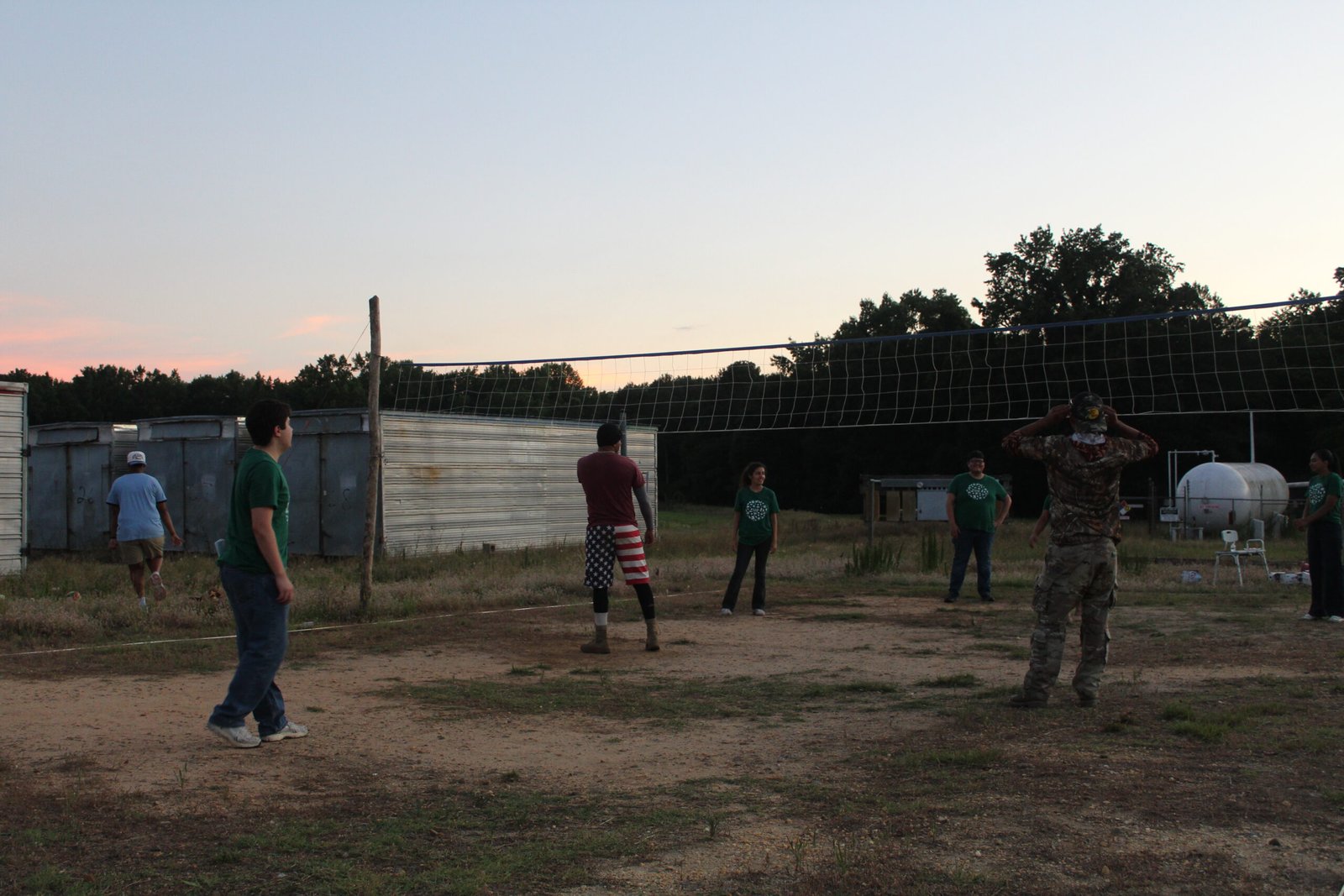
The volleyball net was tied to two wooden posts with baling twine and the ball was half-flat — but none of that mattered to me.
For an hour, the crew of farmworkers I’d come to visit with Student Action with Farmworkers forgot about the heat and the 12-hour days topping tobacco plants ahead of them. One man played in work boots and a pair of shorts printed with the American flag. He spiked, he laughed, he argued a call at the line.
Together, we found joy, not hardship, in a place built to ensure no one ever sees either.
Most of us will never see one of North Carolina’s more than 1,000 farmworker camps, let alone meet the people who live in them. A study of labor camps in eastern North Carolina found that more than a third were hidden, deliberately set back from the road, tucked behind tree lines, or built where no paved road reaches them.
Health workers, legal aid attorneys, and outreach teams like the one I worked on as part of an internship this past summer, often search for camps the way you’d search for something someone doesn’t want found. For the men and women who live there, this means no visitors, no neighbors, no one who would notice if something went wrong.
